
As social scientists, we have findings which should be communicated more broadly than just in the academic journals, and university press officers are keen to get us to engage with the media. But what do the media want? This fascinating blog by Anna Volkmer gives us an insight, as she reports on her four weeks behind the scenes at the BMJ, the hugely influential publication read by medical practitioners in the UK and beyond.
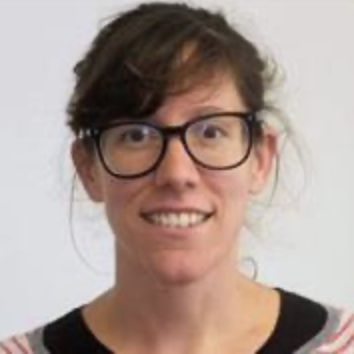
I’ve often wondered what our university press officer wanted from me when she said “what’s the hook?”. I had approached her asking if my research might be interesting to any media or news outlets. I genuinely wasn’t sure. I had kind of anticipated that she would write “the hook”. Having undertaken a placement at the British Medical Journal (the BMJ) I now have a much better understanding of how to pitch an idea. And it needs to be done in one sentence.
4 Weeks on the Inside My placement was organised through the Association of British Science Writers (ABSW) as part of a media fellowship1. They work with University College London (UCL), where I work in the Division of Psychology and Language Sciences, to match researchers to the media, and help create connections and conversation between the industries. There were several of us on the scheme this year, and ABSW arrange support before and afterwards to hone and develop our skills. And one of those crucial skills was discovering what “the hook” means to a journalist.
The hook is what makes something newsworthy. And there is definitely a way of news-telling that is different for different types of articles. Working for the BMJ gave me a real insight to this. I spent 4-weeks doing a media fellowship placement with the BMJ news team. I learnt about and wrote several news articles and features that were assigned to me. These ranged in nature from reporting on a Marburg virus outbreak, a study of suicidal thoughts in American Football Players, to a longer feature on the new assisted dying bill. My mentor taught me to report the what, where, when, who (and possibly why) in the title and very first sentence of a news piece. Then provide a brief explanation and expand on this. Using active and non-technical language is key. Not too many clauses in a sentence. And 500-700 words is plenty for a news story. A quote is a neat cherry on top – to report the implications of what you are writing about with “so and so told the BMJ”, so it sounds exclusive.

Importantly, I learnt about how to pitch ideas, and about how the team evaluate these ideas. My first attempt at pitching an idea was rather weak – in a commissioning meeting I was suddenly asked “any new ideas Anna?”. I panicked and prefaced my idea with “a person I know told me about…” Whilst my initial idea didn’t sound so strong the team encouraged me to continue sharing ideas.
The journalists at BMJ have lots of meetings – to share ideas. I learnt that the team receive ideas via many different means, they read other articles (in the Guardian, the Times, the Conversation, on the BBC and other news outlets). They receive media releases, attend press briefings and conferences, as well receiving lots of written emailed pitches.
What, exactly, is an “interesting story”?
What makes any of those potential stories interesting to BMJ though? Well, perhaps the most important component – that I picked early and seems rather obvious now- is the audience. BMJ is read by practising doctors across the UK, USA, Australia, Europe and many other parts of the world. The news must be relevant to those medics. It must be novel, or if not new, may be tied to current politics, current affairs or other new influential or important large (often RCT) studies. Whilst my research on speech and language therapy is not necessarily exciting2 – it is relevant to the current discussions on the new disease modifying drug treatments, none of which will yet cure dementia but instead extend the time people live with communication difficulties.
There are often themes – by that I mean that the BMJ might theme an issue. This means they commission lots too i.e. they contact a freelancer to write about it, or they ask freelancers they know (often researchers or health professionals who also freelance) to write something on a specific topic. This really highlighted to me the value of letting them know what I do! So, I started telling them all about my research. I went for lunch with them and went to the Association of British Science Writers Conference- all useful networking.
Although I was working for the news team, I got to meet other editors at the BMJ who edit opinions, analysis, obituaries, careers and editorials. These editors explained that opinion pieces are generally written by people in the field or patients with lived experience. Editorials are similar but are more evidence based and include a “call to action”. When I described my work on dementia and conversation I was invited contribute an opinion piece. They also flagged a forthcoming special issue on loneliness– suggesting my research might slot in well for that edition. Timing is everything!
Lessons learnt
It’s been a great experience to put on my CV. Perhaps more importantly I have already emailed my press officer and suggested a new pitch asking if she can help get me an article in a different news outlet. I feel like I know how to speak the language a bit more now. I understand that I need to pitch my idea to our press officer, and that might help her, in turn do the same when she contacts the relevant places. I really did enjoy my media placement- I feel ever so lucky to have had the opportunity. It was so much fun– and I actually wrote stuff like a real journalist.
- https://www.absw.org.uk/articles/the-class-of-2024-meet-this-year-s-absw-media-fellows ↩︎
- [Editor’s note: ROLSI readers think it is!] ↩︎
 Research on Language and Social Interaction - Blog